Hot Pan, Hot Bread: From Skillet to Table

Fire up your skillet and your curiosity as we dive into Stovetop Skillet Breads: Mastering Naan, Pita, and Chapati at Home. Expect clear steps, cook’s science, and real-life stories that bring heat, dough, and confidence together, so fresh bread lands on your table in minutes, fragrant, blistered, and impossibly soft.

Heat, Pan, and the Art of Instant Lift

Great stovetop bread begins with stable, penetrating heat and a surface that stores energy. Learn why heavy pans deliver dramatic blisters, how preheating transforms moisture into lift, and when ventilation matters. We’ll translate sizzling cues into confident timing, turning your kitchen flame into a pocket-producing, naan-bubbling engine.

Dough Logic: Flour, Hydration, and Rest

{{SECTION_SUBTITLE}}

Building naan’s luxurious crumb

Enrich with yogurt and a splash of milk for tenderness, a little sugar to feed yeast, and enough kneading to stretch bonds without stiffness. A short autolyse relaxes gluten, while an overnight chill deepens tang. Aim for soft, tacky dough that still releases cleanly from your fingers.

Designing pitas for dramatic pockets

Keep the formula lean: flour, water, yeast, salt, maybe a kiss of oil. Hydration must be high enough to create vapor pressure, yet firm enough to hold shape. Gentle kneading plus a thorough rise builds a tight skin that traps steam and inflates spectacularly on heat.

Roll, Stretch, and Shape for Puff

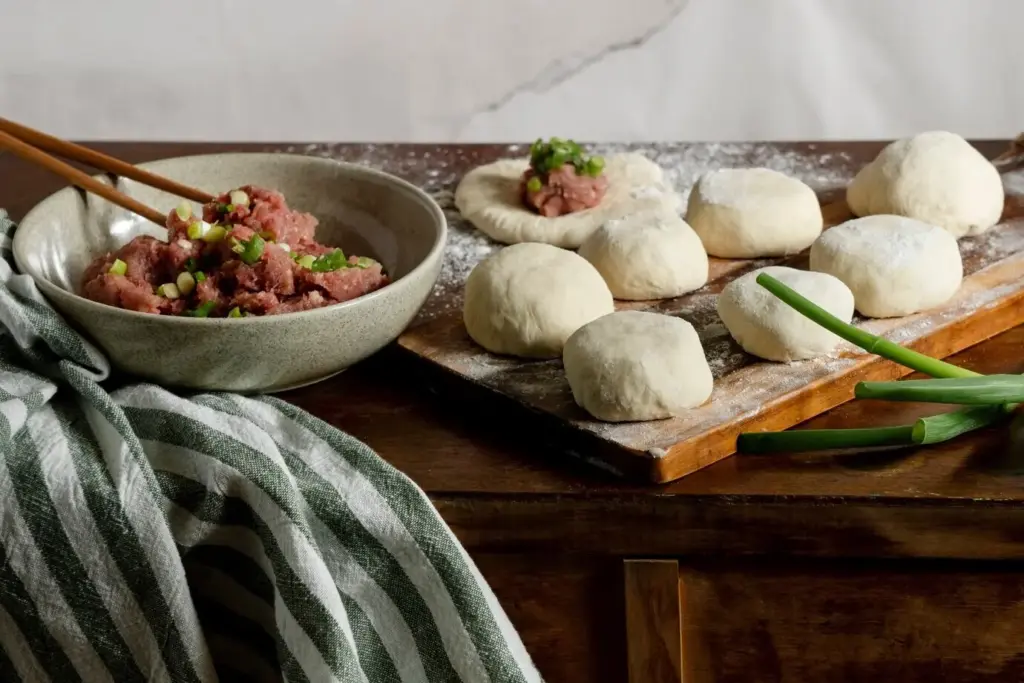
Shaping determines bubbles, pockets, and tenderness. Work quickly yet gently, dusting minimally to avoid dry patches that seal layers shut. Thickness should be even with slightly thinner edges. Rest rounds briefly to relax tension, then launch decisively, letting heat and water vapor perform their acrobatic lift.

Naan: hand-stretch for character

Stretch by hand for irregular edges and natural tenderness, holding the dough like a steering wheel and letting gravity help. Dimpling encourages uneven blisters that taste wonderfully smoky. Avoid over-rolling; excess flour dulls color and steals moisture that fuels those dramatic, leopard-spotted bubbles.

Pita: even thickness, no pinched rim

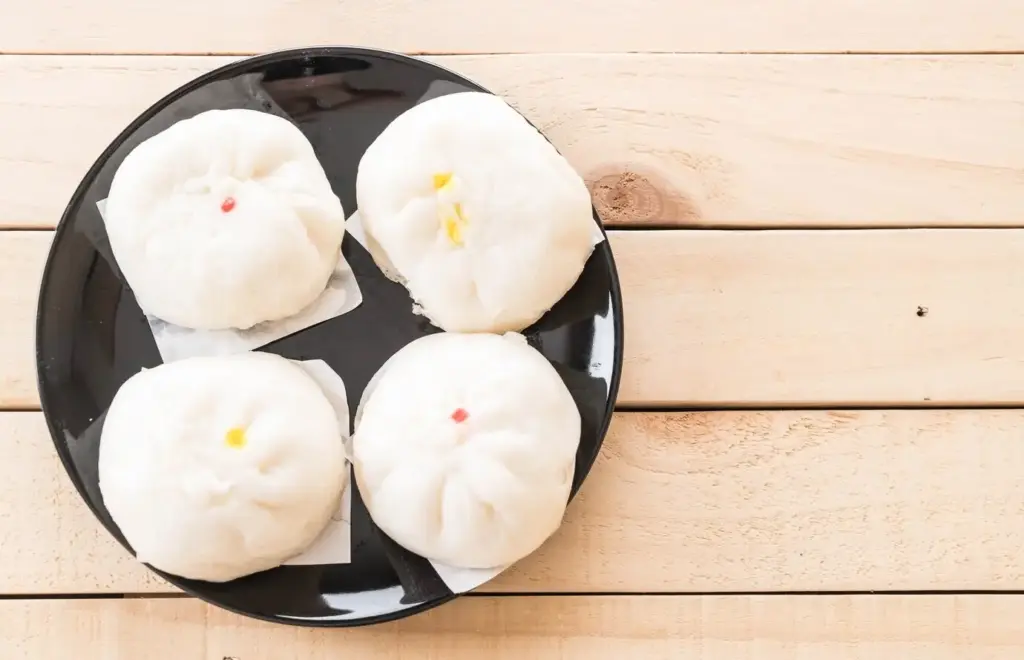
Roll evenly to a measured thickness, brushing away loose flour so seams can weld under heat. Do not crimp edges; an unsealed rim allows vapor to sweep through the center. A final rest under a towel softens the surface and primes it for full, proud inflation.

On the Fire: Timing, Flips, and Finish

Now translate dough into drama. Watch for first blisters, a softening sheen, and aromatic toasting that signals readiness. Flip deliberately, press edges for roti-style lift, and finish hot. Brush with ghee, garlic butter, or olive oil, then serve immediately while steam still perfumes every layer.

Reading the first side

Bubbles should appear within a minute on a properly heated surface. When edges look set and the underside shows speckles, flip with conviction. The goal is structure without dryness, so the second side can char and the interior can expand into tender, breathy openness.

Flip tactics for full inflation

For chapati or roti, a quick pass over open flame inflates dramatically. For pita, press gently around the edges to encourage a sealed dome. For naan, linger a touch longer on the second side, then paint with aromatics while the surface still shimmers.

Rescue Guide: When Things Go Wrong

Problems happen, even to pros. Flat pitas, pale naan, stubborn chapatis—all fixable with simple tweaks. We’ll decode hydration, heat, and handling errors, turning misfires into momentum. Expect honest tricks and a few laughs from kitchens where first attempts still led to unforgettable suppers.

Flavor, Pairings, and Serving Joy

Warm bread begs for bold companions. Layer smoky char with cooling yogurt, crunchy pickles, and bright herbs. Tuck falafel into cloudlike pockets, swipe curries with blistered naan, and cradle sautéed greens in chapati. Leftovers transform into chips, wraps, and breakfasts that taste like small victories.

Stories from Kitchens and Roads

These breads carry stories: street stalls at dawn, family kitchens humming, travelers learning with flour-dusted hands. Hear how a grandmother’s chapati taught patience, or how a first pita pocket stopped conversation. Share your successes, questions, or mishaps below; our table grows with every voice.

At-home tandoor tricks

Flip a sturdy wok upside down, preheat until scorching, and slap naan onto the curved surface for tandoor-like char. Or heat a baking steel over two burners. Vent well, work confidently, and find delight in inventive solutions that spark discovery and dinner simultaneously.

A memory of rolling and puff

A well-worn belan rolling pin and a tin of atta lived beside the stove, ready for lightning suppers. We measured with hands, not cups, listening for puff like laughter. Those small rituals still guide technique, tempo, and the generous spirit behind warm bread.

Join the conversation

Tell us what worked, what puzzled you, and which skillet delivered the bravest blisters. Post photos of your first pocket, swap flour brands, or request a tutorial. Subscribe for new experiments, and invite friends—fresh bread tastes even better when shared widely.
Xozematavezurete
Privacy Overview

This website uses cookies so that we can provide you with the best user experience possible. Cookie information is stored in your browser and performs functions such as recognising you when you return to our website and helping our team to understand which sections of the website you find most interesting and useful.