
Rise Without an Oven: Crafting Bread Anywhere

Today we dive into Oven-Free Home Breads, celebrating stovetop sizzles, gentle steam, and clever tools that transform simple dough into fragrant loaves, flatbreads, and buns. Expect practical techniques, vivid stories, and reliable science so your bread rises proudly, even when the oven stays cold and the kitchen hums with nimble, resourceful creativity.

Choosing Your Flour Spectrum

Bread flour brings strength, but all-purpose flour can deliver tenderness and easy handling when heat is localized under a lid. Whole grains deepen flavor and color yet demand a touch more hydration. Blends with spelt or rye build character while rice or corn additions tweak texture. Balance elasticity and moisture thoughtfully, and your oven-free breads respond with supple structure and confident lift.

Leavening That Loves Gentle Heat

Yeast thrives with patience, especially when stovetops run a little cooler and steam cushions edges. Instant yeast brings reliability, while sourdough gifts tang and resilience under covered pans. Baking powder speeds flatbreads or quick loaves, particularly when time is short. Mix strategies confidently: preferments for depth, chemical lift for speed, and careful proofing that respects your pan, flame, and schedule.

Chapati and Tortilla Confidence

Roll thin, rest briefly, and cook on a hot surface that kisses rather than burns. Chapati may balloon if moisture and heat align; tortillas turn speckled and fragrant in seconds. Keep flour dust minimal, use a light touch with the rolling pin, and trap steam under a brief cover. Stack and wrap warm rounds so they stay pliable, soft, and inviting.

Arepas and Cornbread Patties

Precooked corn flour forms tender arepas that split effortlessly for fillings. Hydrate until the dough feels like sculptable clay, rest, then sear in a film of oil for a delicate crust. Cornbread patties embrace buttermilk tang and quick lift, thriving in a steady medium heat. Split, stuff, or butter generously, and celebrate how simple ingredients become nourishing comfort without any oven.

English Muffins and Soda Farls on the Griddle

English muffins cook low and slow, developing signature nooks from a soft, sticky dough and gentle dry heat. Control browning by adjusting flame and rotating positions. Soda farls reward quick hands: mix, pat, quarter, and griddle immediately for tender crumb. Covering briefly encourages even rise. Split with a fork, toast on the pan’s warm spots, and savor malty, buttery edges.

Steamed Loaves and Tender Buns

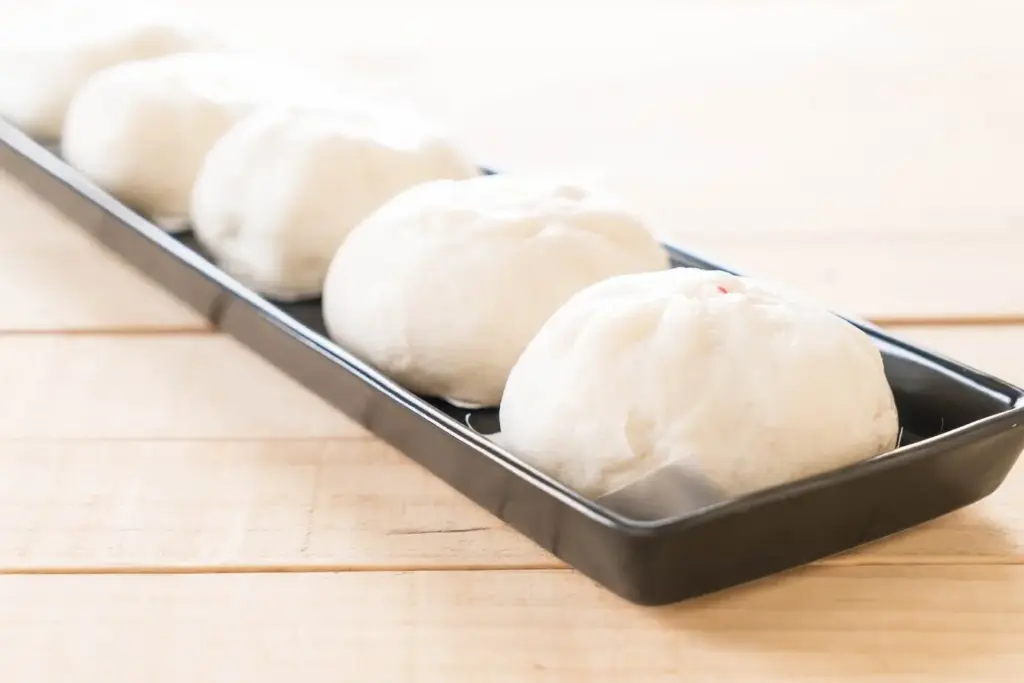
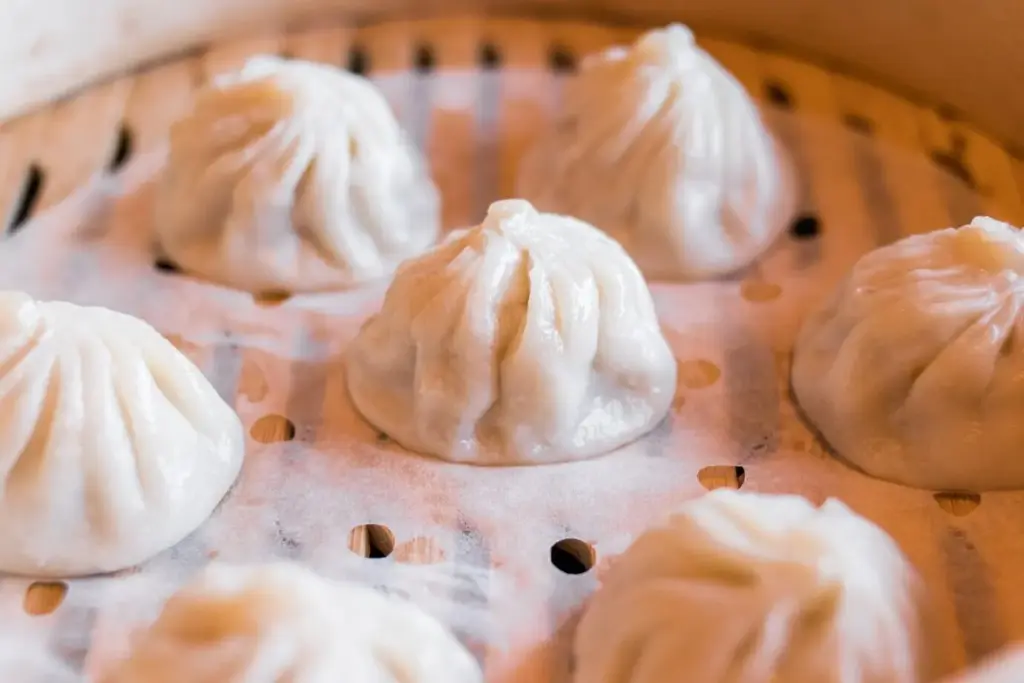
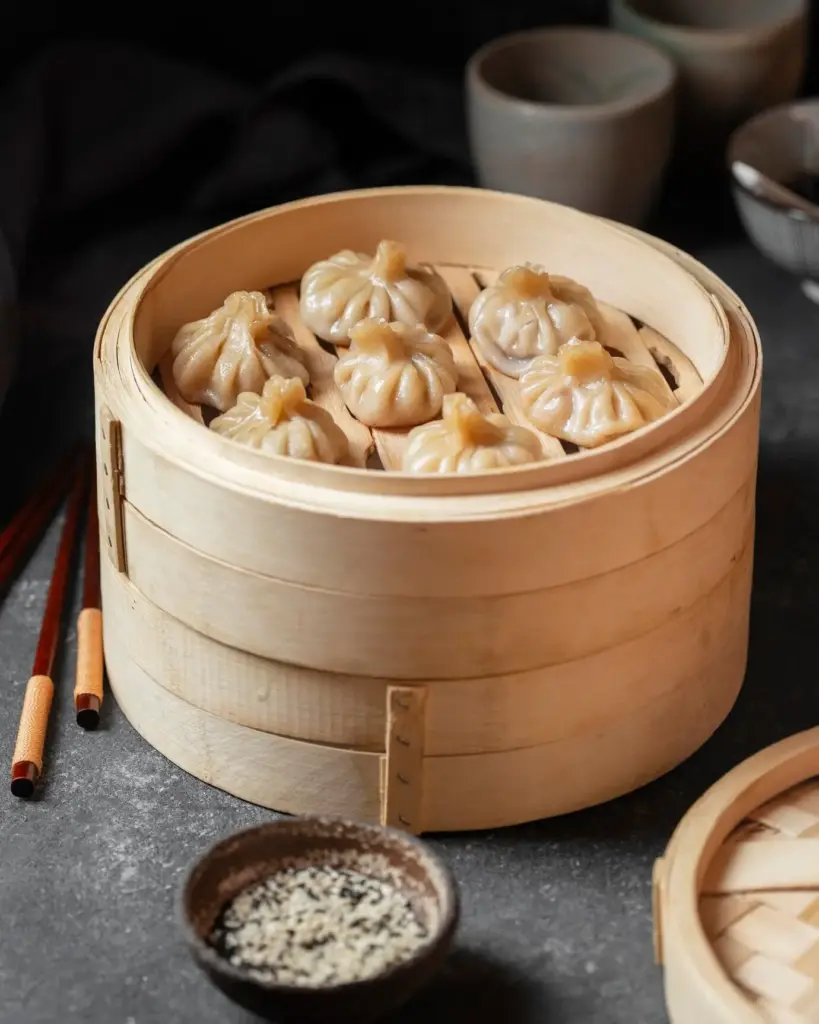
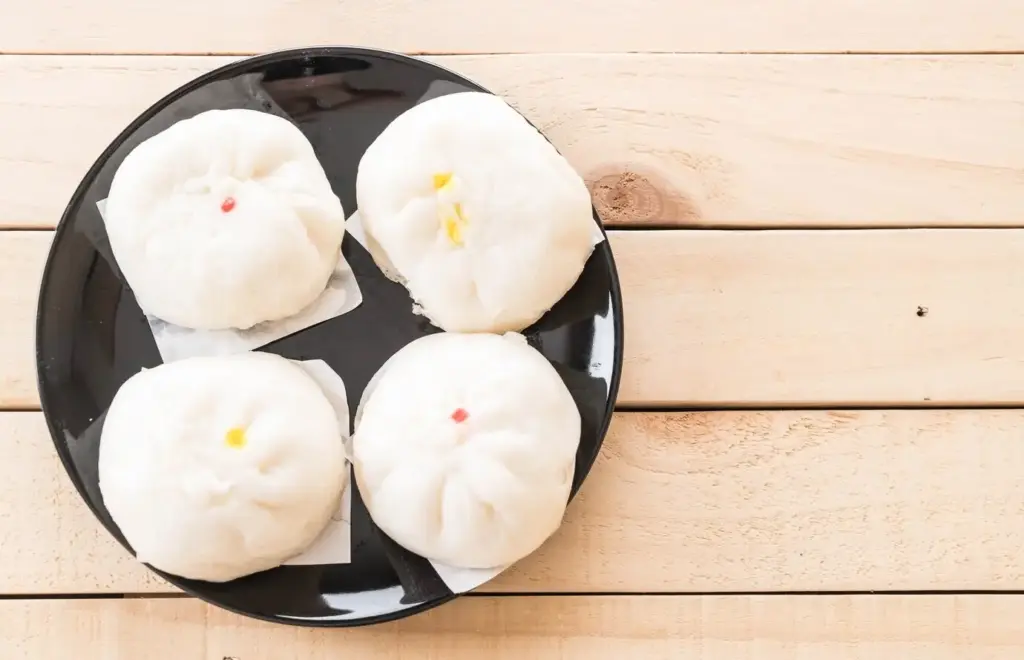
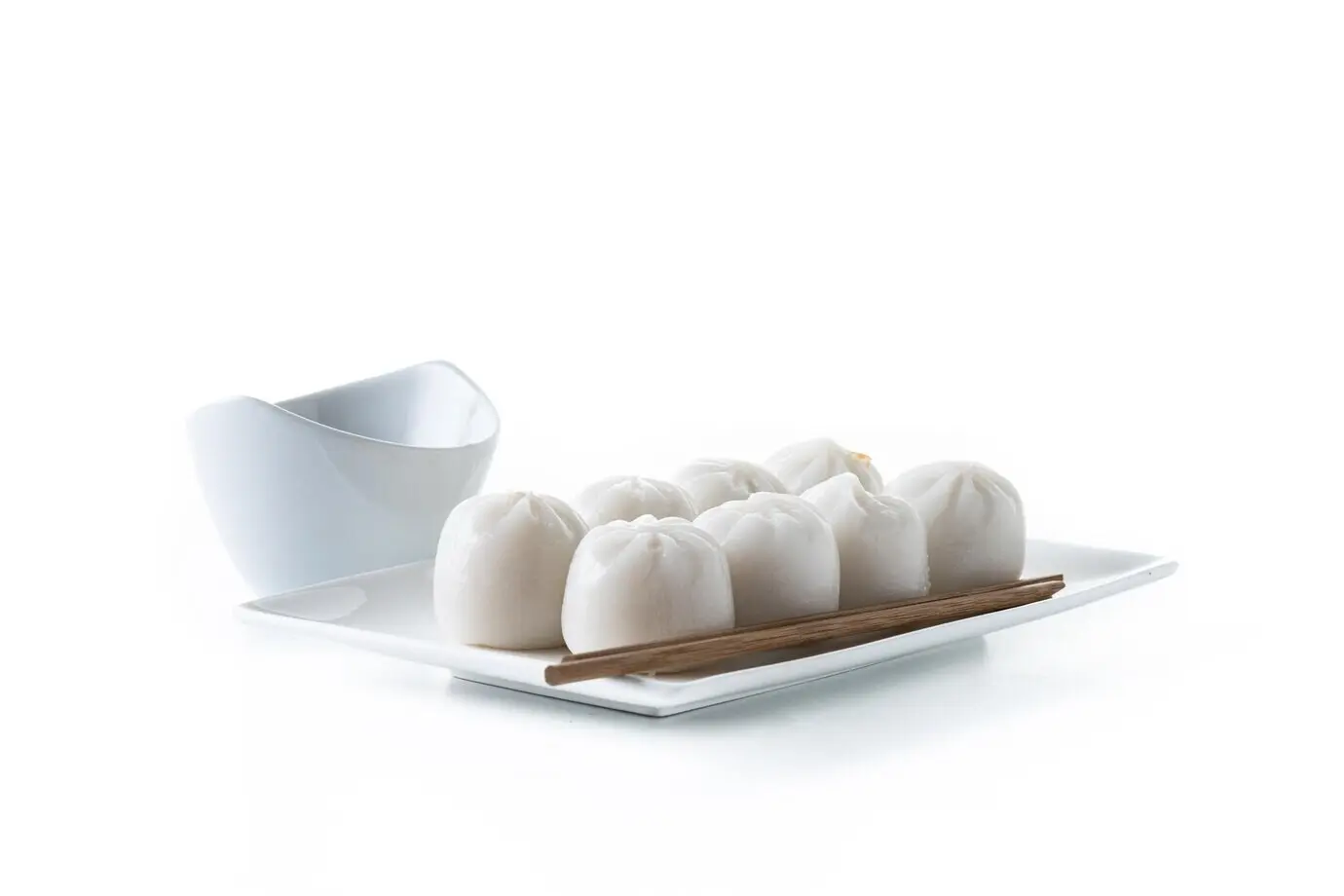
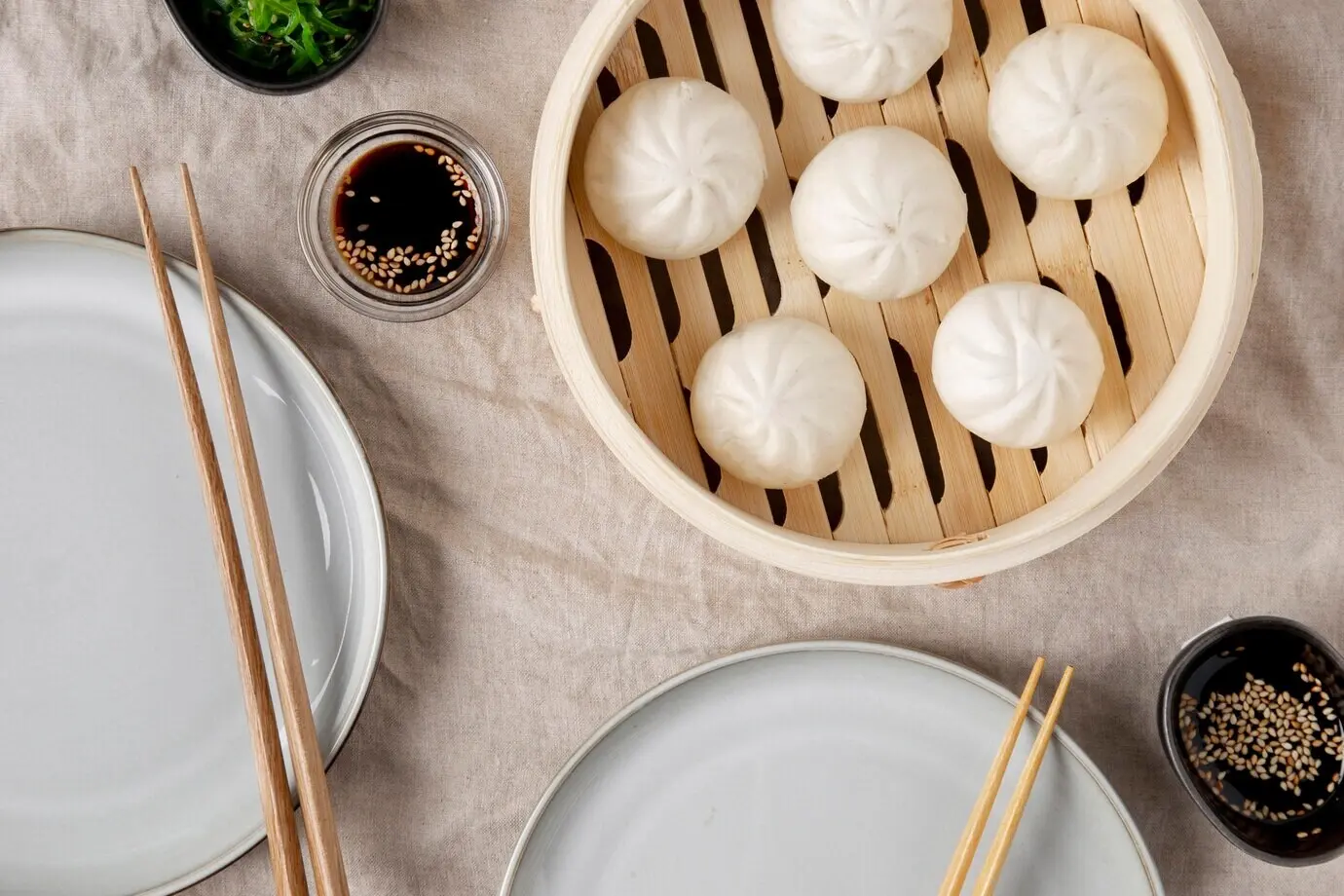
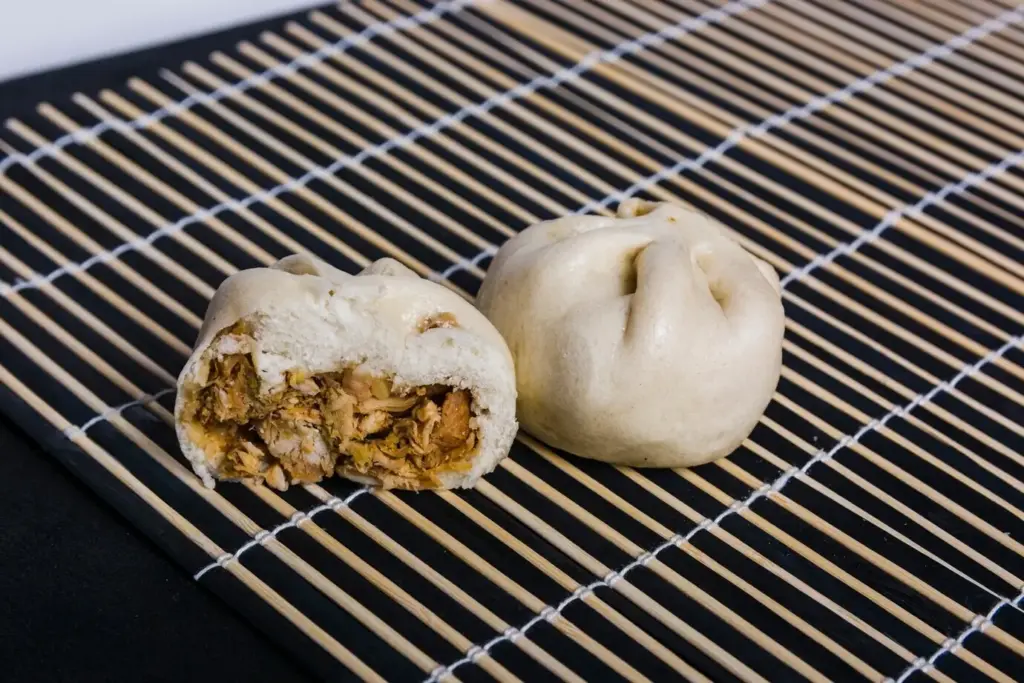
Steam delivers unmatched softness and forgiving structure, ideal for enriched or lower-gluten formulas. A bamboo steamer, pasta pot, or pressure cooker on steam mode creates billowy bread that stays moist and pillowy. From cloudlike mantou to jammy banana loaves set in jars, steaming removes fear of burning while promoting delicate crumb and gleaming, smooth surfaces that invite playful fillings.

Ferments for the Stovetop: Flavor That Travels

Crumpets with Beautiful Open Tunnels

Use sourdough discard or a quick yeast batter with baking soda added right before cooking. Ring molds help shape, but you can improvise with clean cans. Cook low and covered until tops set and holes appear. Flip briefly for color, then split and butter generously. The fragrance is astonishing, and every bite sings with tender chew and gentle tang developed without any oven.

Injera’s Tangy Lace on a Home Griddle

Teff brings traditional flavor, though blends with barley or wheat can help structure when learning. Ferment until the batter smells fruity and slightly sharp. Pour onto a medium-hot surface, cover to trap steam, and do not flip. Eyes form naturally as bubbles set. Serve with vibrant stews and greens, honoring a communal spirit that thrives around humble heat and shared plates.

Dosa and Idli with Calm, Predictable Fermentation

Soak rice and urad dal separately, grind smooth, and ferment warm until aerated and lightly tangy. For dosas, thin the batter and spread on an oiled pan; for idlis, steam batter in molds for cloudlike rounds. Humidity and temperature guide timing more than the clock. Gentle stovetop conditions safeguard flavors, producing crisp edges, tender centers, and aromas that awaken every sense.

Small Appliances, Big Results

Rice cookers, slow cookers, pressure cookers on steam, waffle irons, and sandwich presses create consistent environments perfect for Oven-Free Home Breads. They stabilize heat, tame scorching, and free your attention. With towels to collect condensation, parchment for release, and preheats for thermal momentum, these helpers transform apartments, dorms, and camper vans into confident, portable bakeries with reliable, delightful outcomes.

Rice Cooker Loaves that Stay Juicy

Grease the pot, line with a parchment sling, and pour in enriched or quick-bread batter. The cooker’s gentle cycle steams and sets the crumb evenly. If your model flips to warm early, rest and resume once or twice. The result is sliceable, tender bread that refuses to dry out. Finish with a quick pan toast for contrast, then enjoy endlessly adaptable flavors.

Slow Cooker Bread with Confident Structure

Shape a hydrated dough, nestle it on parchment, and drape a towel under the lid to catch drips. The long, low environment allows steady rise and gelation. For a firmer exterior, remove carefully and give the sides a brief skillet sear. Herbs perfume the chamber, and the crumb sets evenly without stress. It’s patient, practical, and perfect for busy, cozy kitchens.
Waffle Irons and Presses for Crisp-Chewy Rounds

A waffle maker’s patterned plates create steam pockets and crisp ridges that flatter fermented batters and quick doughs. Oil lightly, pour measured amounts, and close without squeezing too hard. The result balances exterior snap with an interior that stays plush. Sandwich presses mimic griddles with top heat, ideal for flatbreads and stuffed breads that seal neatly and cook through evenly and quickly.
Troubleshooting, Serving, and Sharing the Joy

Skip the oven, not the confidence. If centers seem gummy, lower heat slightly, extend covered time, and rest breads before slicing. If undersides scorch, add a diffuser, rotate positions, or preheat more gently. Serve with bright spreads, hearty soups, or grilled vegetables. Share results, ask questions, subscribe, and tell us your clever hacks—your voice shapes tomorrow’s tastier, braver, oven-free kitchen.

Avoiding Soggy Centers and Pale Sides

Trapped moisture needs time to redistribute. Keep lids on until structure sets, then vent briefly to dry surfaces. Use thinner shapes for denser doughs. If batter breads collapse, reduce hydration or increase leavening consistency. Parchment helps release without tearing delicate crusts. Patience during cooling protects crumb from smearing. Slice with a sharp knife and celebrate clean, resilient textures every time.

Heat Mapping and Pan Selection

Every burner, pan, and lid combination behaves uniquely. Test with a little flour scatter to spot hot zones, rotate pans for even color, and choose heavier bases for steadier heat. Glass lids reveal progress, while tight metal lids trap steam decisively. A simple trivet or diffuser solves scorching. Once you understand your setup’s personality, every batch becomes calmer, faster, and tastier.

Your Turn: Post, Tag, and Teach Us Something

We want to learn from your kitchen. Comment with your favorite skillet breads, steamed experiments, or rice cooker triumphs. Ask questions, request walkthroughs, and subscribe for new guides. Share photos, timing notes, and local twists that inspire others. Your curiosity builds a generous circle where every burned edge becomes insight, and every puffy miracle becomes encouragement for the next cook.

Xozematavezurete
Privacy Overview

This website uses cookies so that we can provide you with the best user experience possible. Cookie information is stored in your browser and performs functions such as recognising you when you return to our website and helping our team to understand which sections of the website you find most interesting and useful.